Family meal planning on a real budget
A simple weekly system to plan healthy family meals, spend less at the store, and get dinner on the table without a fight.

- Spend 15 to 20 minutes a week planning meals and a shopping list.
- Compare unit prices and shop when you're not hungry.
- Cook once, eat twice: make double batches and freeze half.
- Eating together has real benefits for kids.
Why family meals matter
Research shows kids who eat more family meals tend to eat more fruits and vegetables and drink fewer sodas. Eating together as a teen is even linked to better eating habits as an adult, according to a study of parents and kids on family meals. It doesn't have to be fancy. Sandwiches at the kitchen table count.
Step 1: Plan (15 minutes a week)
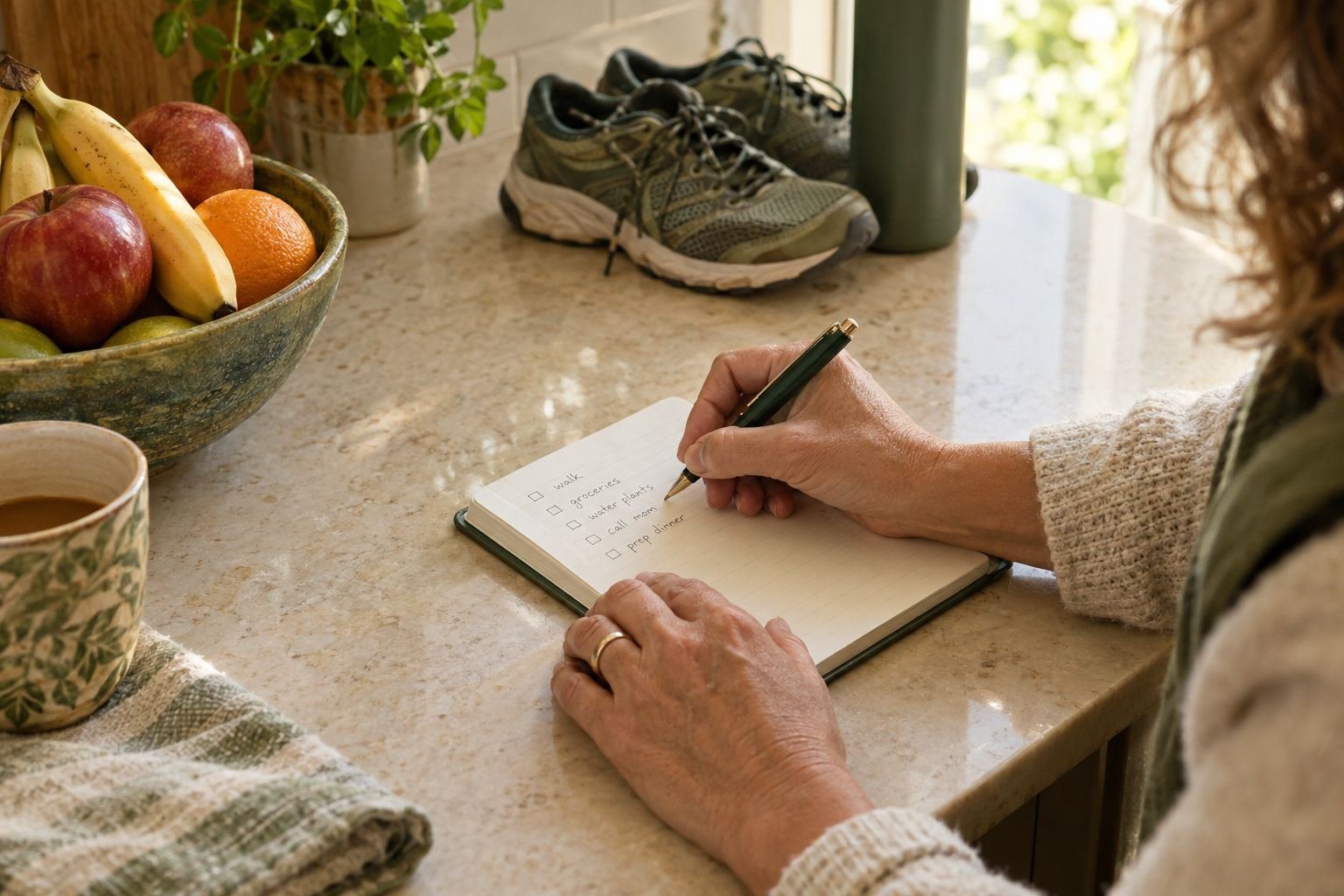
The USDA suggests spending 15 to 20 minutes a week planning meals and making a shopping list. Here's a simple way:
- Check what you already have in the fridge, freezer, and pantry.
- Pick 4 or 5 dinners. Plan leftovers for the other nights.
- Use a theme to make it easier: Taco Tuesday, Soup Sunday, Breakfast-for-Dinner Friday.
- Let each kid pick one meal. They're more likely to eat what they chose.
Step 2: Shop smart
- Stick to your list, and shop when you're not hungry.
- Compare unit prices (the price per ounce or pound on the shelf tag). Bigger isn't always cheaper.
- Buy store brands. They're often the same quality for less.
- Use frozen and canned produce. Frozen vegetables and canned beans are healthy and last longer. Pick low-sodium or no-salt-added cans when you can.
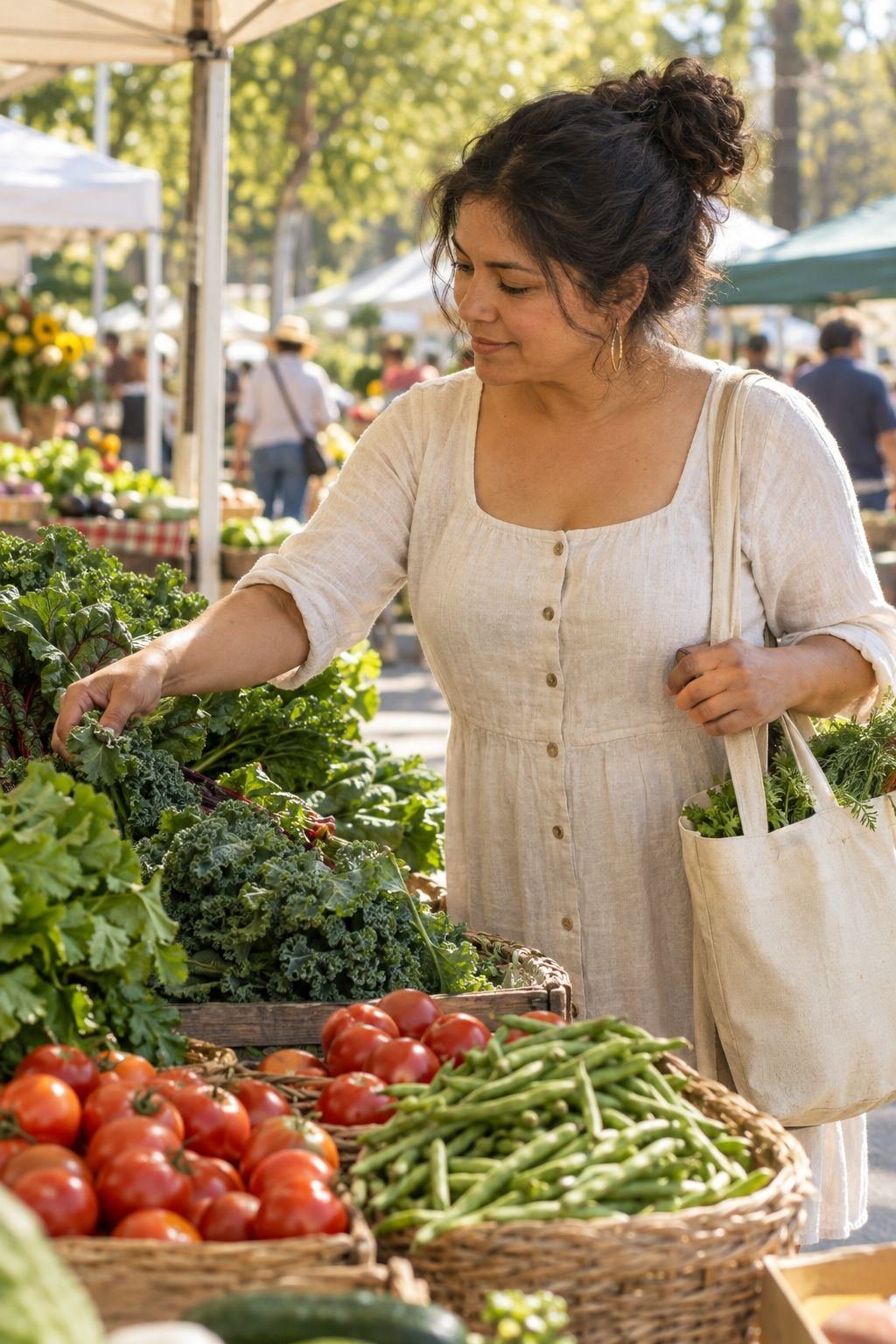
- Buy fruits and vegetables in season when they cost less.
Step 3: Cook once, eat twice
The USDA recommends cooking larger batches and freezing extra portions. It saves time and money on busy nights.
- Make a double batch of chili, soup, or pasta sauce and freeze half.
- Roast a whole chicken. Eat it for dinner, then use the rest in tacos or soup.
- Stretch pricier foods like meat by mixing them into soups, stir-fries, and casseroles with beans and vegetables.
A sample week
| Day | Dinner | Tip |
|---|---|---|
| Sunday | Big pot of chicken and vegetable soup | Freeze half for later |
| Monday | Leftover soup with whole-grain toast | No cooking tonight |
| Tuesday | Bean and cheese tacos with salsa and lettuce | Canned beans, rinsed |
| Wednesday | Sheet-pan sausage, potatoes, and green beans | One pan to wash |
| Thursday | Leftovers night | Clean out the fridge |
| Friday | Veggie scrambled eggs and fruit | Breakfast for dinner |
| Saturday | Homemade pizza on whole-wheat crust | Kids pick toppings |
Get kids involved
Kids can help at every age. Little ones can wash vegetables and tear lettuce. Older kids can measure, stir, and read recipes out loud. The USDA SNAP-Ed family meals guide has more easy ideas and recipes.
How Bee helpsBee will build simple meal ideas around foods your family already likes, with options for different cultures and budgets. See Bee's food features.
This article is for general education and isn't medical advice. Talk with your doctor before making changes to your care.