Semaglutide in plain English: what to know about Wegovy and Ozempic
What semaglutide is, the shot and pill forms, common side effects, and the daily habits that help you keep muscle and feel your best.
- Semaglutide is a GLP-1 medicine. Wegovy is approved for weight; Ozempic is for type 2 diabetes.
- Wegovy now comes as a weekly shot or a daily pill.
- Nausea, diarrhea, and constipation are common, especially early on.
- Protein, strength exercises, and fluids help protect your muscle and energy.
ImportantThis guide is for general information. Bee does not prescribe, dose, or recommend medicines. Talk with your doctor or pharmacist about whether semaglutide is right for you.
What is semaglutide?
Semaglutide is part of a group of medicines called GLP-1 receptor agonists. It works like a natural hormone that helps control blood sugar and appetite. Many people feel full sooner and think about food less.
It's sold under different brand names for different uses. Ozempic is approved for adults with type 2 diabetes. Wegovy is approved for weight management. According to the FDA-approved label, Wegovy is used to lower excess body weight and keep it off long term in adults with obesity, or adults who are overweight and have a related health problem. It's also approved to lower the risk of heart attack and stroke in some adults, and for weight loss in children 12 and older with obesity.
Shot or pill
Wegovy used to come only as a weekly shot. In December 2025, the FDA approved the Wegovy pill, the first GLP-1 pill for weight management, according to Novo Nordisk. The pill is taken once a day on an empty stomach with a small sip of water (up to 4 ounces), as the label explains. Your doctor will start you on a low dose and raise it slowly.
Common side effects
The Wegovy Medication Guide lists these common side effects:
- Nausea, vomiting, and diarrhea
- Constipation and stomach pain
- Headache and feeling tired
These are often worse when you start or raise your dose. Eating smaller meals, stopping when you feel full, and avoiding greasy foods can help.
Call your doctor right away if you haveSevere stomach pain that won't go away (with or without vomiting), pain in your upper right belly, yellow skin or eyes, or signs of dehydration like peeing much less than usual. These can be signs of serious problems with the pancreas, gallbladder, or kidneys, the Medication Guide warns.
Habits that help
Medicine helps with appetite. Habits help you keep the results and stay strong.
- Protect your muscle. In studies, about a quarter of the weight lost on GLP-1 medicines was lean mass (which includes muscle). A 2025 research review suggests getting more than 1.2 grams of protein per kilogram of body weight a day, spread across meals, plus regular strength exercise.
- Lead with protein. When you can only eat a little, start with eggs, Greek yogurt, fish, chicken, beans, or tofu.
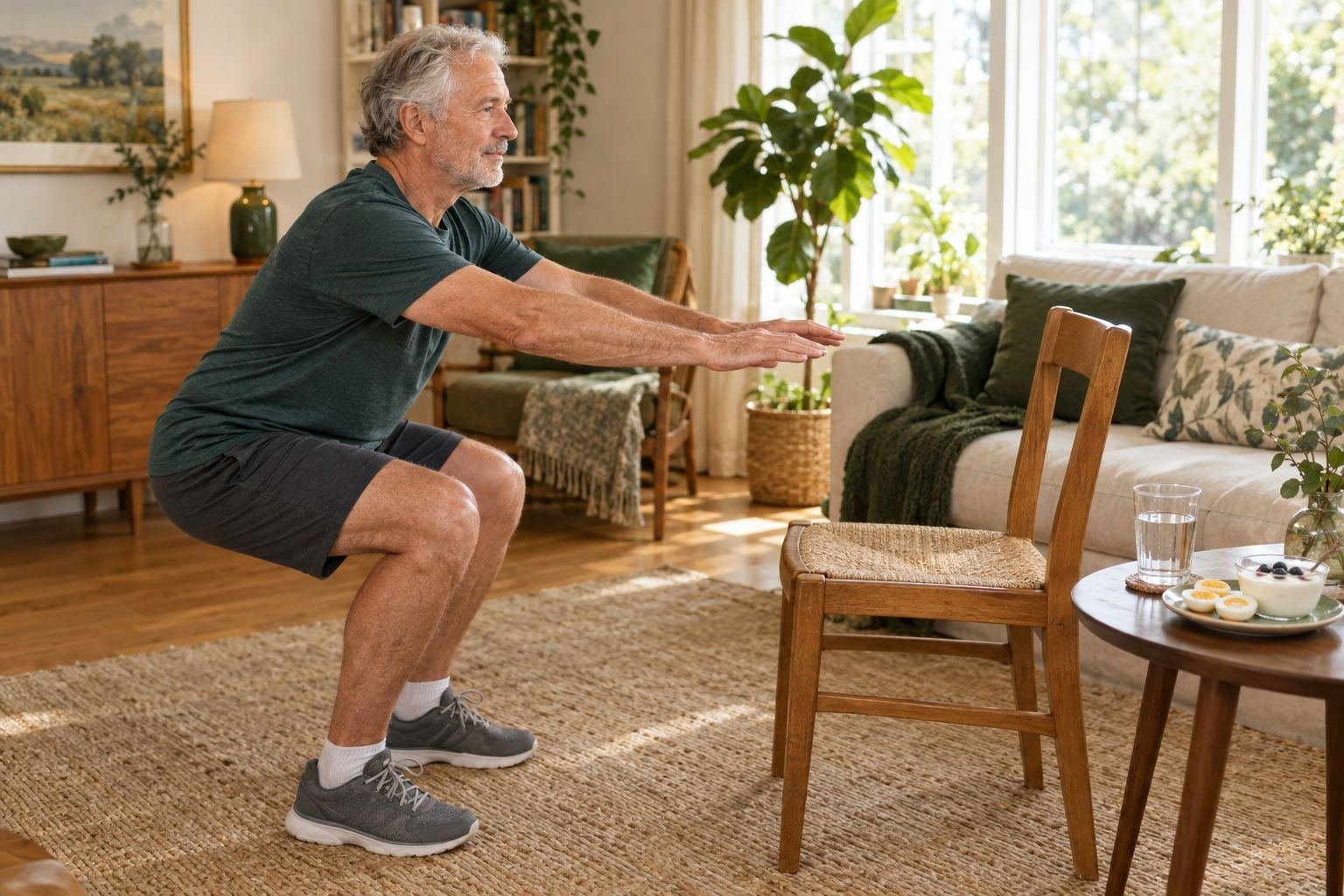
- Do strength moves 2 days a week. Chair squats, wall push-ups, and carrying groceries count. The Physical Activity Guidelines recommend muscle strengthening on 2 or more days a week.
- Drink enough. Eating less food means less water from food. Sip throughout the day. Try our water intake calculator.
- Keep the habits after. Many people regain weight if they stop the medicine. Habits you build now are what last.
How Bee helpsIf you're on a GLP-1, Bee can focus your daily plan on protein, strength, and fluids, and adjust on days you feel sick. Bee never tells you how to take your medicine.
This article is for general education and isn't medical advice. Talk with your doctor before making changes to your care.